
Apple TV's Born To Be Wild features rare and rescued species, following elephant calves, lemur pups, moon bear cubs, and more
-
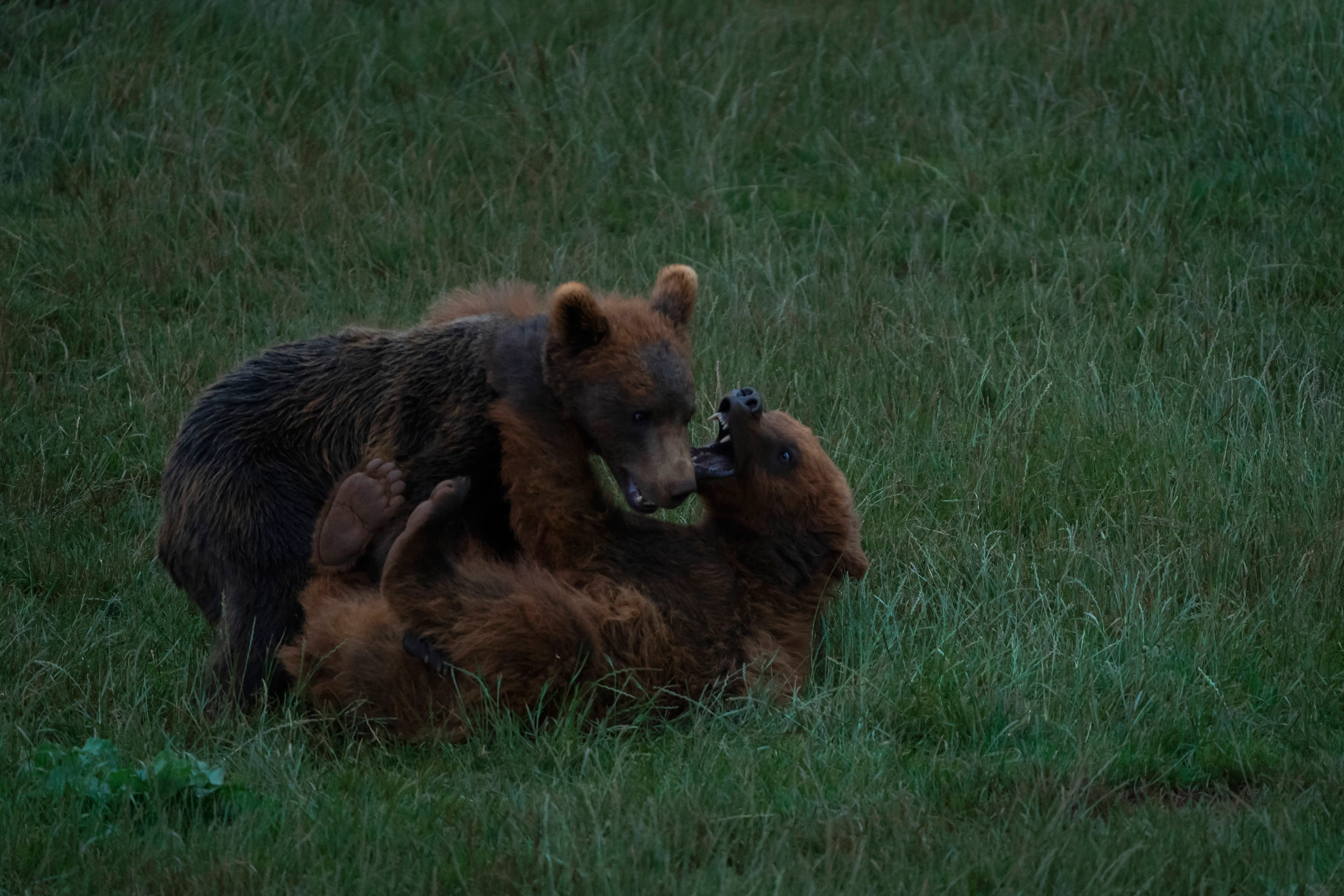 Two bear cubs play in the specially designed enclosure for these animals at the Cabarceno Nature Park in Cantabria, Spain, which celebrates its 35th anniversary in June (Image via Getty)
Apple TV’s Born To Be Wild features rare and rescued species, following elephant calves, lemur pups, moon bear cubs, and more.
According to Apple TV’s press release on November 13, 2025, the six-part documentary series, narrated by SAG Award winner Hugh Bonneville, premiered globally on December 19, 2025.
Filmed over several years across multiple countries, the series follows six young endangered animals from birth or rescue through their development and preparation for life in the wild.
The series also highlights the work of human caretakers guiding these animals. Information about the series and its soundtrack was reported by Apple TV and Cool Music.
Apple TV’s Born To Be Wild follows endangered animals and their caretakers across the globe
Episode 1: Moon Bear Cub
The first episode follows an orphaned moon bear cub in India. According to Apple TV, the cub learns essential survival skills necessary for life in the jungle.
Caretakers guide the cub in climbing, foraging, and social behaviors needed for integration with other bears. The episode documents structured rehabilitation processes used to prepare the cub for eventual independence.
Episode 2: Elephant Calf
Episode two focuses on a young elephant calf at an orphanage in Zambia. Apple TV reports that the calf works to overcome shyness and form bonds with the herd.
Caretakers provide socialization exercises and exposure to herd dynamics to support the calf’s adaptation. The episode shows the step-by-step development of behaviors needed for survival when reintroduced to the wild.
Episode 3: Penguin Chick
The third episode follows a penguin chick as it navigates environmental hazards and nutritional needs before reaching the Atlantic Ocean.
Human caretakers provide feeding, protection, and guidance to improve survival chances. Apple TV emphasizes the structured care provided to support the chick’s development and readiness for the wild.
Episode 4: Lemur Pup
Episode four features a ring-tailed lemur pup in Madagascar. The pup learns coordination and awareness within a group of lemurs.
Apple TV reports that caretakers guide the pup’s interactions to prepare it for independent life in its natural habitat, focusing on social and survival behaviors.
Episode 5: Cheetah Cubs
The fifth episode documents two young cheetah brothers practicing hunting techniques before relocation to a reserve where their species has been absent for 50 years.
Apple TV states that caretakers observe and train the cubs to ensure they acquire necessary survival skills for life in the wild.
Episode 6: Lynx Kitten
The sixth episode follows a lynx kitten undergoing assessment by caretakers to confirm readiness for release into the wilderness.
Apple TV reports that structured observation and training help determine the kitten’s ability to survive independently without human support.
Production and availability
Born To Be Wild is a co-production between Tailfeather Productions and Offspring Films for Apple TV.
Executive producers include Lucy van Beek for Tailfeather Productions, and Alex Williamson and Isla Robertson for Offspring Films, as reported by Apple TV.
The series’ soundtrack, composed by David Schweitzer, is available on all digital platforms, according to Cool Music.
Apple TV streams the series globally across supported devices and continues its catalog of original films, documentaries, and series with multiple award recognitions.
The series was filmed over several years across five countries to document a variety of habitats and conservation programs.
Each episode required coordination with local wildlife experts and rehabilitation centers to ensure accurate representation of animal care practices.
Additionally, the series incorporates behind-the-scenes footage of caretakers’ daily routines and the technical aspects of wildlife filming to provide a comprehensive view of conservation efforts.
Stay tuned for more updates.
TOPICS: Born To Be Wild, Born To Be Wild Hugh Bonneville, Apple TV