
Is Christmas a federal holiday? Complete festival history and more explored
-
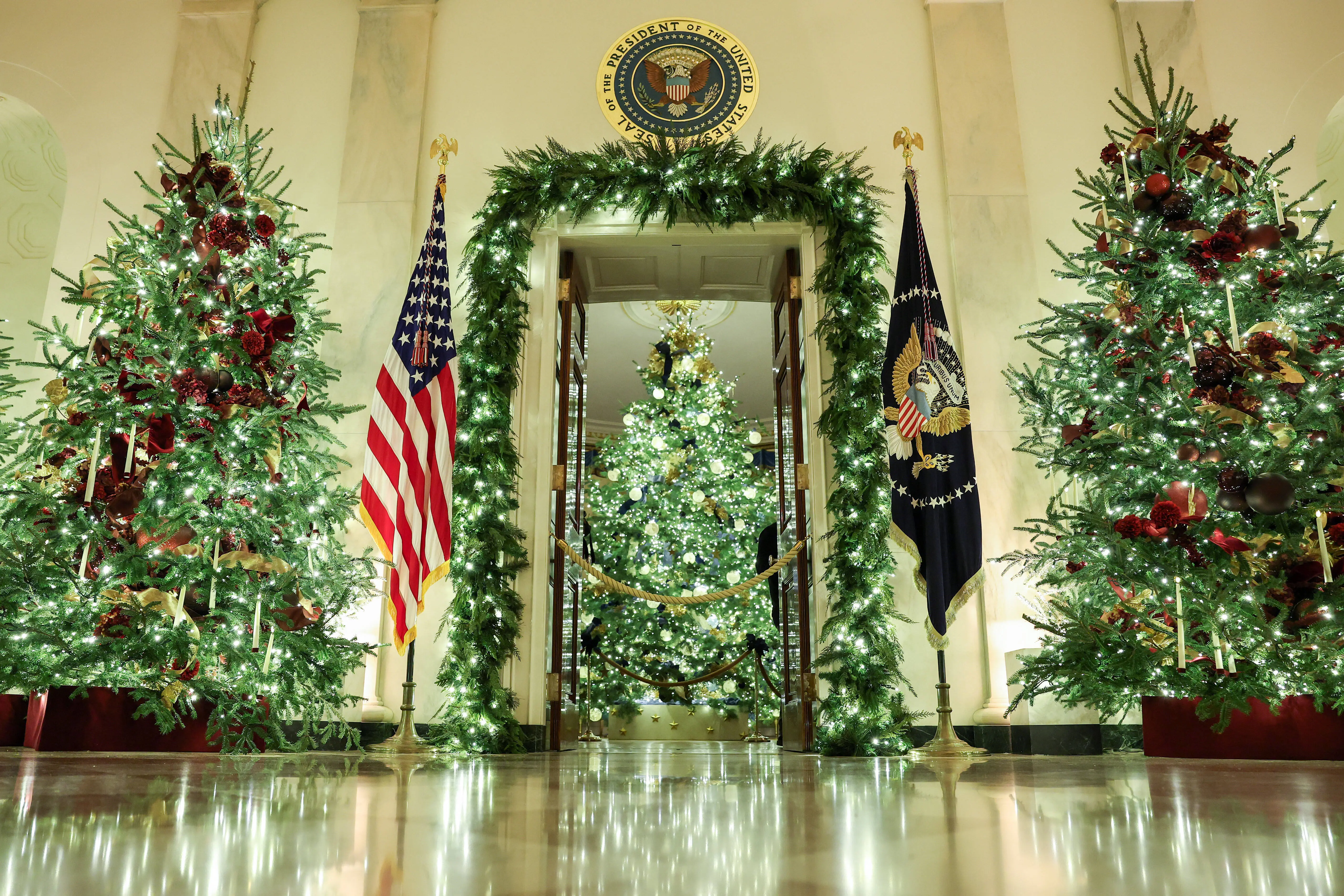 Is Christmas a federal holiday? Complete festival history and more explored (Photo by Anna Moneymaker/Getty Images)
Nowadays, Christmas is set as an official U.S. federal holiday - offices shut down while countless households pause regular life to celebrate. Still, this widespread acceptance developed gradually and faced its share of challenges along the way.
It got recognized because people started thinking differently, became more welcoming of new ideas. Bit by bit, thanks to these shifts, Christmas changed from just a favorite custom into a government-backed event that now fits right into the country's yearly routine.
How Christmas became a federal holiday
Christmas was not always widely accepted in the United States, and its path to becoming a federal holiday reflects a long shift in public attitudes rather than a simple religious endorsement. Previously, folks either liked December 25th or were totally against it. Up north, Puritans - who'd split from the Church of England - saw the holiday as made-up and linked to Catholic rituals; they even outlawed festivities once, punishing anyone caught marking the date, reportedly.
Plenty of people back then - like Jewish, Muslim, and Indigenous communities - took no part in Christmas because it meant nothing to their beliefs or traditions. Still, bit by bit, the celebration started to mean more socially - by the 1850s folks in many places, even once-resistant New England, treated it as quiet time, calm moments, meals with kin, worship stops, plus old-time customs.
The change got official notice in 1870 after Congress passed legislation making December 25 a federal holiday; President Ulysses S. Grant signed it, part of a package adding multiple worker holidays while shutting down federal desks on Christmas.
Christmas becoming a federal holiday wasn't just about adding a day off - it showed how people across the U.S. started finding common ground. Making it official turned the occasion into a moment when everyone, no matter their background, could stop and connect through kindness and quiet moments together. Even though its roots are Christian, over the years folks from all walks of life joined in via public festivities, charitable efforts, and seasonal traditions and customs that bring cheer.
Slowly, this blend of religious and secular observance made December 25 stand out as one of America's best-known government-recognized days, proving how shared beliefs can grow a local custom into something the whole nation holds onto.
Keep reading PRIMETIMER for more informative content!
TOPICS: Christmas 2025