
NASA OPERA project delivers analysis ready satellite products for agencies
-
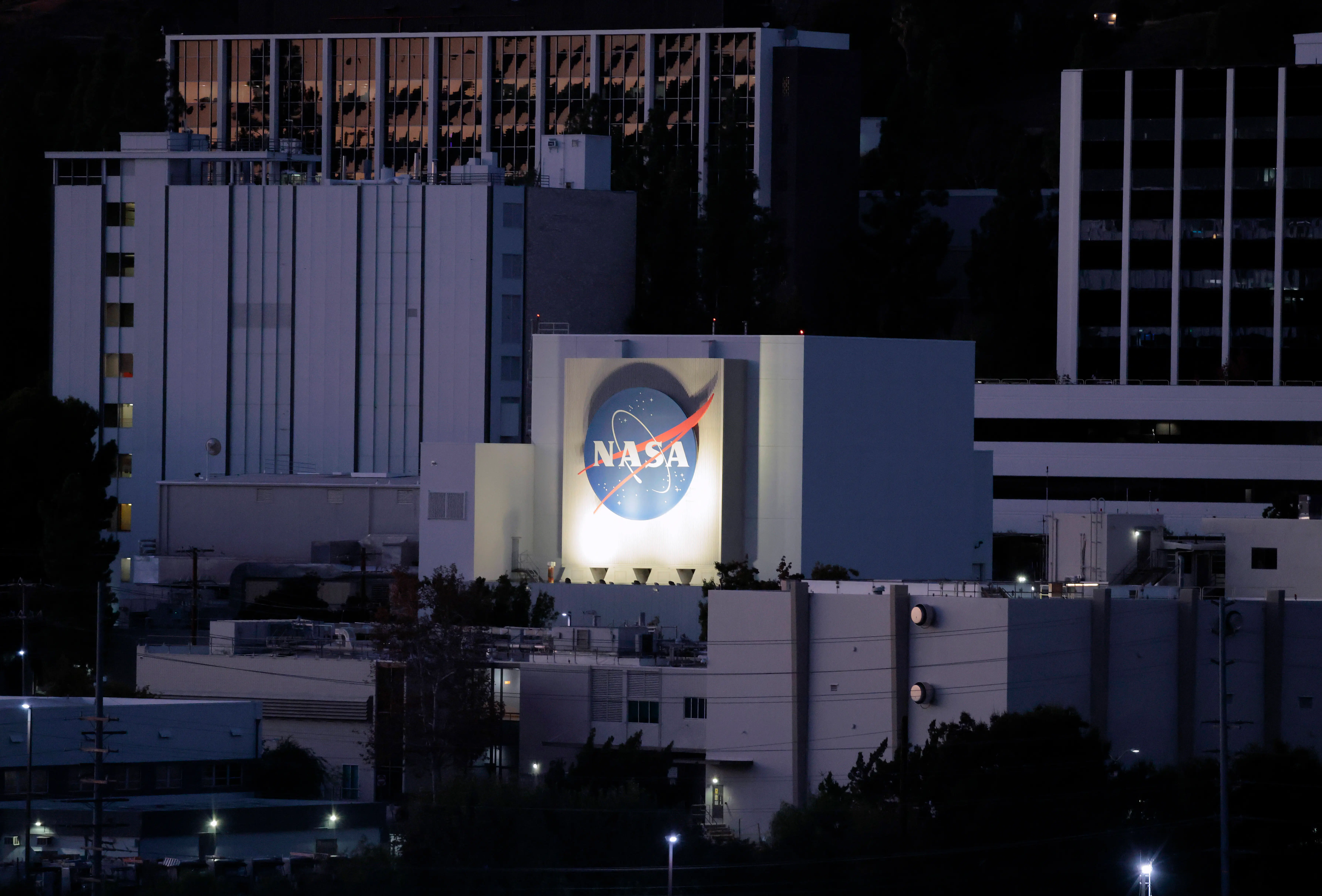 LA CAÑADA FLINTRIDGE, CALIFORNIA - OCTOBER 15: The NASA logo is displayed at NASA’s Jet Propulsion Laboratory on October 15, 2025 in La Cañada Flintridge, California. Around 550 people, or over ten percent of the famed lab’s workforce, are being laid off as part of an ongoing reorganization following two rounds of large layoffs last year. Layoffs at the laboratory, which is funded by NASA and managed by CalTech, are not related to the federal government shutdown. (Photo by Mario Tama/Getty Images)
The Observational Products for End-Users from Remote Sensing Analysis (OPERA) project is designed to provide federal agencies with analysis-ready satellite data.
Established in 2021 by NASA’s Jet Propulsion Laboratory (JPL), OPERA addresses priorities identified by the Satellite Needs Working Group (SNWG), an interagency body convened by the White House Office of Management and Budget (OMB) and the Office of Science and Technology Policy (OSTP).
SNWG surveys federal agencies every two years to determine their top satellite data needs. OPERA transforms complex satellite observations into standardized, usable products for federal users.
The project releases its data through NASA Distributed Active Archive Centers, according to NASA.
NASA's OPERA provides federal agencies with ready-to-use satellite data
OPERA Mandate and Data Products
OPERA’s core mandate is to deliver satellite-derived information in formats that federal agencies can use immediately.
The project focuses on providing data products that remove the need for extensive processing by agency personnel.
This approach allows agencies to integrate the information into existing workflows for applications such as national security, environmental monitoring, disaster response, and infrastructure management.
The OPERA system relies on a cloud-based production framework that generates data products efficiently and consistently.
As of 2025, OPERA has released several products, including Dynamic Surface Water Extent (DSWx), Surface Disturbance (DIST), and Surface Displacement datasets.
The Vertical Land Motion (VLM) product is scheduled for release in 2028. These products are distributed through multiple NASA DAACs for public access and federal use.
Applications of OPERA data
OPERA data support a range of federal applications. The project provides high-quality, ready-to-use satellite information for monitoring environmental changes, responding to natural disasters, and assessing infrastructure risks.
Data products are intended to be integrated into federal decision-making processes without additional data processing requirements.
A case study involving the U.S. Department of Agriculture–Agricultural Research Service (USDA–ARS) demonstrates the application of OPERA data in agricultural monitoring.
Researchers at USDA–ARS’ National Laboratory for Agriculture and the Environment (NLAE) use DSWx and DIST products to identify areas of persistent water accumulation in central Iowa’s South Fork watershed.
The data help map locations where water ponds on farmland, affecting soil conditions and crop yield.
Mapping Crop Health in the Midwest
USDA–ARS researchers combine OPERA’s cloud-free, high-resolution mosaics with field-based measurements to produce maps showing waterlogged zones.
These maps indicate regions with repeated inundation, supporting land management and soil health efforts.
The data also extend to watershed-level monitoring, providing information on river migration, oxbow lake formation, and storm damage from regional weather events.
By integrating multiple OPERA products, USDA–ARS is able to support agricultural resilience and monitor environmental impacts over large areas.
The OPERA project delivers standardized, analysis-ready satellite data to federal agencies.
Its products enable direct integration into operational workflows for environmental monitoring, disaster response, and agricultural management.
Case studies, including USDA–ARS monitoring of crop health in the Midwest, illustrate how OPERA data are applied in federal contexts.
All OPERA products are available publicly, supporting federal and public use in multiple sectors.
Stay tuned for more updates.
TOPICS: NASA OPERA project, analysis-ready satellite data, federal agency satellite data, NASA updates, OPERA satellite products