
What is ID’s Killer Confessions: Case Files of a Texas Ranger about? Explained
-
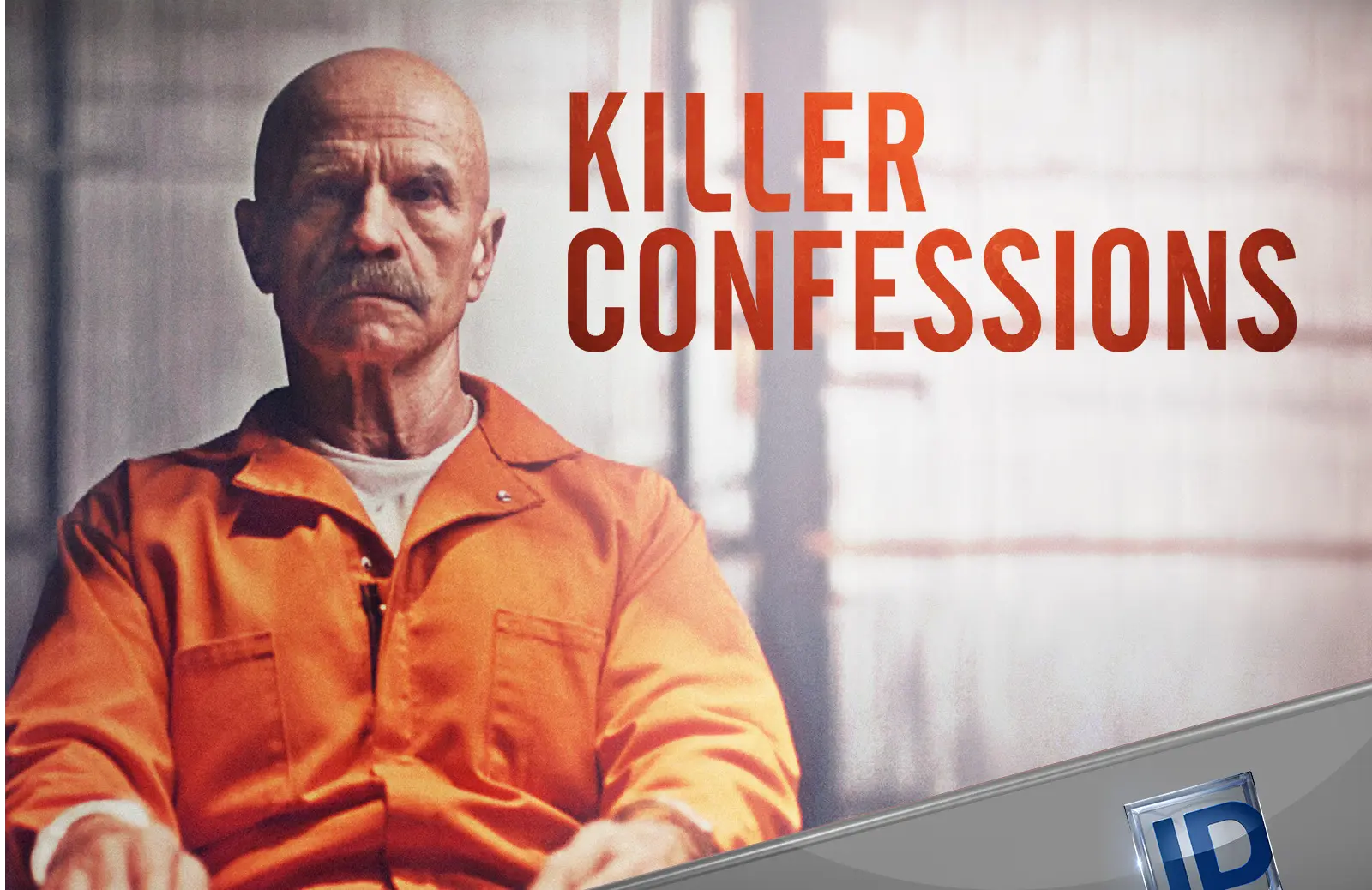 Killer Confessions: Case Files of a Texas Ranger (Image via Prime Video)
In the town of Texas, four women disappeared one after another, sparking widespread fear among residents. Families held vigils, and local police chased leads that went cold. Suspicion turned to a man with a dark past, possibly a serial killer resurfacing after years.
This is the starting point of one case featured in Killer Confessions: Case Files of a Texas Ranger, a new docuseries on Investigation Discovery (ID). The show follows retired Texas Ranger James B. Holland, a law enforcement veteran known for his ability to draw out confessions from suspects in tough murder investigations.
Through real interrogation videos, case documents, and interviews with detectives and prosecutors, viewers see how Holland applies psychological strategies to solve crimes that seemed impossible. Each episode covers a single case from start to finish, highlighting the blend of evidence gathering and suspect questioning.
The series gives a clear look at the work behind closing homicide files. Killer Confessions: Case Files of a Texas Ranger premieres on Tuesday, January 13, 2026, at 10 p.m. ET/PT on Investigation Discovery. New episodes air weekly on ID, and full seasons can be streamed on Max starting the day after each broadcast.
Killer Confessions: Case Files of a Texas Ranger: James Holland: Building a career in investigations
James B. Holland joined the Texas Rangers in 2000 after years in local police work. Over two decades, he handled hundreds of cases, focusing on violent crimes like homicides and kidnappings. Holland earned respect for his detail-oriented approach, reviewing every piece of evidence before interviews.
He often traveled across states to assist other agencies, turning up new information in old files. One key skill was building trust with witnesses, which helped uncover hidden facts. Holland's work extended to federal partnerships, where he shared methods for handling difficult suspects.
By 2020, he had contributed to solving dozens of murders through careful questioning. Retiring in 2021, Holland continued consulting on cold cases. His career shows the steady grind of law enforcement, from crime scenes to courtrooms. The docuseries uses his notes and photos to trace this path, explaining how routine tasks lead to big breaks.
Viewers learn about the teamwork involved, with input from fellow Rangers and experts. This background sets the stage for understanding his role in high-stakes probes, as per Press WBD.
Drawing out confessions: Holland's questioning style
Holland's interrogations stand out for their focus on psychology over pressure. He starts by listening to suspects' stories, noting small details that match evidence. This method, called rapport-building, makes people feel heard, often leading them to fill in gaps. Holland avoids yelling or tricks, instead using facts to gently challenge lies.
In long sessions, he offers breaks and water, keeping talks calm. Experts in the series explain how this reduces defenses, making admissions more likely. Holland also studies body language, like shifts in posture, to gauge truthfulness. His notes include sketches of scenes from descriptions, helping verify claims.
This style has worked in cases spanning years and miles. The show includes clips of these talks, showing real-time decisions. Other officers share how Holland's calm presence changes room dynamics. While effective, it requires patience and training, according to Press WBD.
Killer Confessions: Case Files of a Texas Ranger: The Samuel little confessions
In 2012, Holland met Samuel Little, a man already in prison for murders in California. Little faced charges for killing three women but claimed many more. Over 600 hours of talks from 2018 to 2019, Holland recorded Little admitting to 93 stranglings across 19 states from 1970 to 2005. Little targeted vulnerable women, often from poor areas, and dumped bodies in remote spots. Holland used maps and photos to prompt memories, linking stories to unsolved cases.
The FBI reviewed the tapes and confirmed 50 murders by 2019, calling Little the most active serial killer in U.S. history. Drawings by Little of the victims aided identification. Holland's steady questions, without judgment, kept Little talking. This effort closed files for families waiting decades.
The series touches on these interviews through archives, showing how one conversation rippled nationwide. Detectives from various states describe the relief of resolutions. Holland's role here demonstrates cross-agency cooperation in big investigations, as reported by The New York Times.
Texas cases in the spotlight: vanishings and disappearances covered in Killer Confessions: Case Files of a Texas Ranger
The series spotlights local Texas mysteries solved by Holland's input. In Pathologically Evil, four women go missing in rural areas, raising serial killer fears. Holland's questioning of a suspect yields details matching evidence, like vehicle tracks. Communities had lived in worry for months.
Another episode, Lie, Cheat, Kill Evil, covers realtor Crystal McDowell's disappearance in Houston during Hurricane Harvey in 2017. Floods hampered searches, but footage of a suspicious person near her abandoned car led to Holland.
His interview uncovers motives tied to personal disputes. A third, True Crime Lies, involves a Pennsylvania cold case from decades ago. A tip brings Holland to a witness whose words crack the file wide open, according to Press WBD. These stories use news clips and family statements to show impacts. The show explains timelines clearly, from reports to arrests. Each case varies in setting, from storms to small towns, but shares Holland's key role.
Watch Killer Confessions: Case Files of a Texas Ranger airing on 13 January 2026 on Investigation Discovery.
TOPICS: Killer Confessions: Case Files of a Texas Ranger