
Who was Edmond Safra? Details analyzed ahead of the release of Murder in Monaco
-
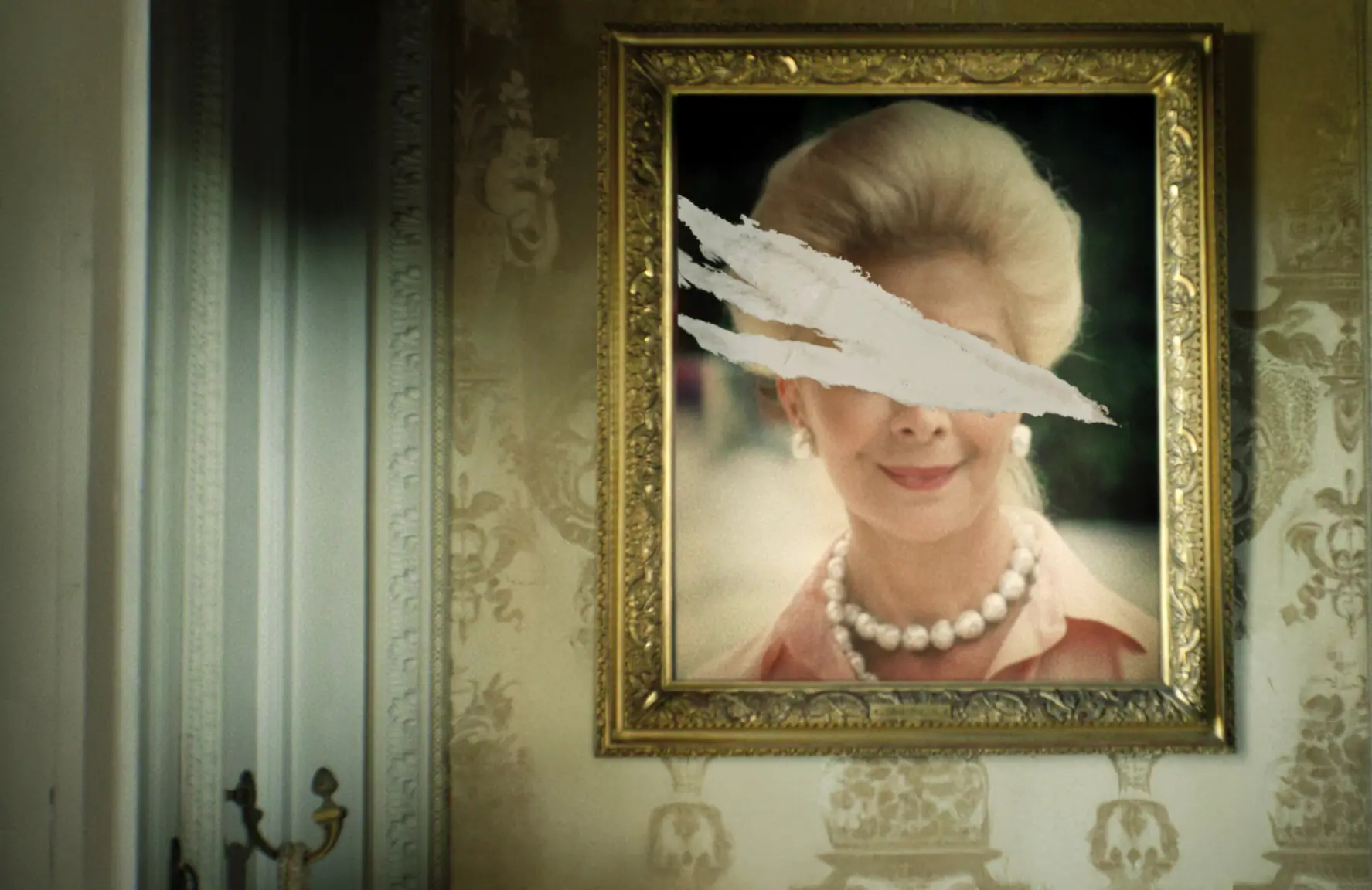 Murder in Monaco (Image via Netflix)
Edmond Safra was a prominent international banker born on August 6, 1932, in Beirut, Lebanon, into a wealthy Sephardic Jewish family of Syrian origin. His father, Jacob Safra, ran a successful bank that traced its roots to financing camel caravans in the early 20th century. At just 16, Edmond joined the family business, showing early talent for finance.
He later moved to Brazil, where he founded his first bank at age 21, and in 1966 established the Republic National Bank of New York, growing it into a global powerhouse known for conservative practices and serving high-net-worth clients. Multilingual and philanthropic, Safra built a fortune estimated in the billions, owning luxurious properties worldwide.
He married Brazilian socialite Lily Monteverde in 1976 and managed Parkinson's disease in his later years. On December 3, 1999, the 67-year-old Safra died in a fire at his fortified Monaco penthouse, alongside nurse Viviane Torrent. Masked intruders turned out to be his nurse, Ted Maher, who confessed to starting the blaze.
The case sparked theories of mafia involvement but revealed personal motives and security lapses in the wealthy enclave. This story gains fresh attention with the Netflix documentary Murder in Monaco, directed by Hodges Usry, premiering worldwide on December 17, 2025.
Murder in Monaco: Early life and banking beginnings of Edmond Safra
Edmond Safra's upbringing took place in Beirut during the financial expansion Lebanon realized following World War I as a financial center in the Middle East. His legacy in banking began with his grandfather's engagement in gold and foreign exchange and formally became a banking house under his father, Jacob, in 1920.
At 16, the young businessman was very much involved in the company and described his college days as wasted by a poor educational background; he never attended college. He attended Milan in 1949 to learn about banking practices and became conversational in Italian in addition to his Arabic, French, English, Portuguese, and Hebrew proficiencies, as per The Guardian.
The 1950s saw the political instabilities in Lebanon force the family to move to Brazil. It was in Brazil that Edmond Safra, just 21, founded Banco Safra with his father in São Paulo, with an initial staff of seven. The bank concentrated on accepting deposits from rich customers and eschewed bad loans.
Edmond Safra’s initial success had been due to his servicing of the immigrant population and engaging in exchange rate business. His conservative manner, with his old-world caution mixed with new-world hustle, prepared the ground for international expansion. The 1960s saw him look at the U.S. and European markets, according to the New York Times.
Building a global empire
Safra's expansion accelerated in 1966 when he launched the Republic National Bank of New York in a modest Fifth Avenue townhouse. The institution specialized in private banking for the ultra-wealthy, handling vast deposits in armored cars and offering vault services for jewels and art.
By the 1970s, Republic had gone public, fueling acquisitions across Europe, including Trade Development Bank in Geneva. Edmond Safra's model emphasized security and discretion, attracting clients from royalty to tycoons, though it drew scrutiny for potential money-laundering risks tied to large cash flows, as reported by the New York Times.
The 1980s brought challenges, including a bitter dispute with American Express after their 1983 acquisition of his Swiss bank soured. Allegations of scandals, later proven false and stemming from rivals, led to an $8 million settlement. Undeterred, Edmond Safra repurchased control and diversified into real estate, owning villas like La Leopolda in France.
Philanthropy marked his career, too, with donations to Jewish causes and hospitals. In 1999, just before his death, he agreed to sell Republic and affiliates to HSBC for $9.9 billion, securing his family's legacy, according to the Guardian.
The tragic night in Monaco
On December 3, 1999, around 5 a.m., chaos erupted in Safra's 3,000-square-foot penthouse at La Belle Epoque on Monaco's Avenue d'Ostende. The building, a Belle Époque mansion housing his bank's branch, featured steel-reinforced doors and constant surveillance.
Edmond Safra, weakened by Parkinson's, relied on a team of 12 nurses for round-the-clock care. That night, nurse Ted Maher, a 41-year-old former U.S. Army Green Beret hired months earlier, alerted building staff of a break-in by two masked men who had stabbed him, as reported by The Guardian.
Edmond Safra and nurse Viviane Torrent, 52, barricaded themselves in the bathroom, a fortified refuge with a phone. Smoke filled the air as a fire started in a wastepaper basket, spread rapidly, and was triggered by the building's detection system.
Emergency services arrived, but delays occurred due to fears of armed intruders; police secured the area before firefighters entered after two hours. Edmond Safra and Torrent suffocated from smoke inhalation. Maher, with self-inflicted wounds from a six-inch knife, was treated.
Initial reports fueled fears of an assassination, given Safra's high-profile deals and past rumors of enemies. Monaco's borders closed swiftly, but no intruders were found, shifting focus inward, as per the Guardian.
The investigation, trial, and aftermath
Monaco police quickly dismissed external threats after reviewing surveillance tapes showing no entry. Maher confessed within days, admitting he stabbed himself, lit the fire to stage a heroic rescue, and fabricated the intruder story amid tensions with head nurse Sonia.
Motivated by job frustrations and a desire for recognition, he underestimated the blaze's speed. Charged with arson causing two deaths, a crime carrying life imprisonment, he spent nearly three years in pretrial detention, according to the Guardian.
The 2002 trial in Monte Carlo scrutinized Monaco's response, with critics noting slow entry to the bathroom and opaque policing. Maher's defense highlighted his psychological fragility and lack of intent to kill, calling it an accident.
The court convicted him of arson, sentencing him to 10 years; he appealed and briefly escaped in 2003 before recapture. Edmond Safra's widow, Lily, received most of his $2.8 billion estate share from the HSBC sale, finalized weeks later. The case exposed vulnerabilities in elite security, with no further charges, as per the Guardian.
Watch Murder in Monaco, releasing on December 17, 2025, on Netflix.
TOPICS: Netflix
- Who is Jun Lee from Culinary Class Wars season 2? Everything to know about the chef explored
- Who is Hu Deok-juk from Culinary Class Wars season 2? Everything to know about the chef explored
- Who is Son Jong-won from Culinary Class Wars season 2? Everything to know about the chef explored
- How many episodes will there be in Emily in Paris season 5? Episode count and more