
Why you still can’t buy lottery tickets in five US states even with Powerball’s jackpot at $1 billion
-
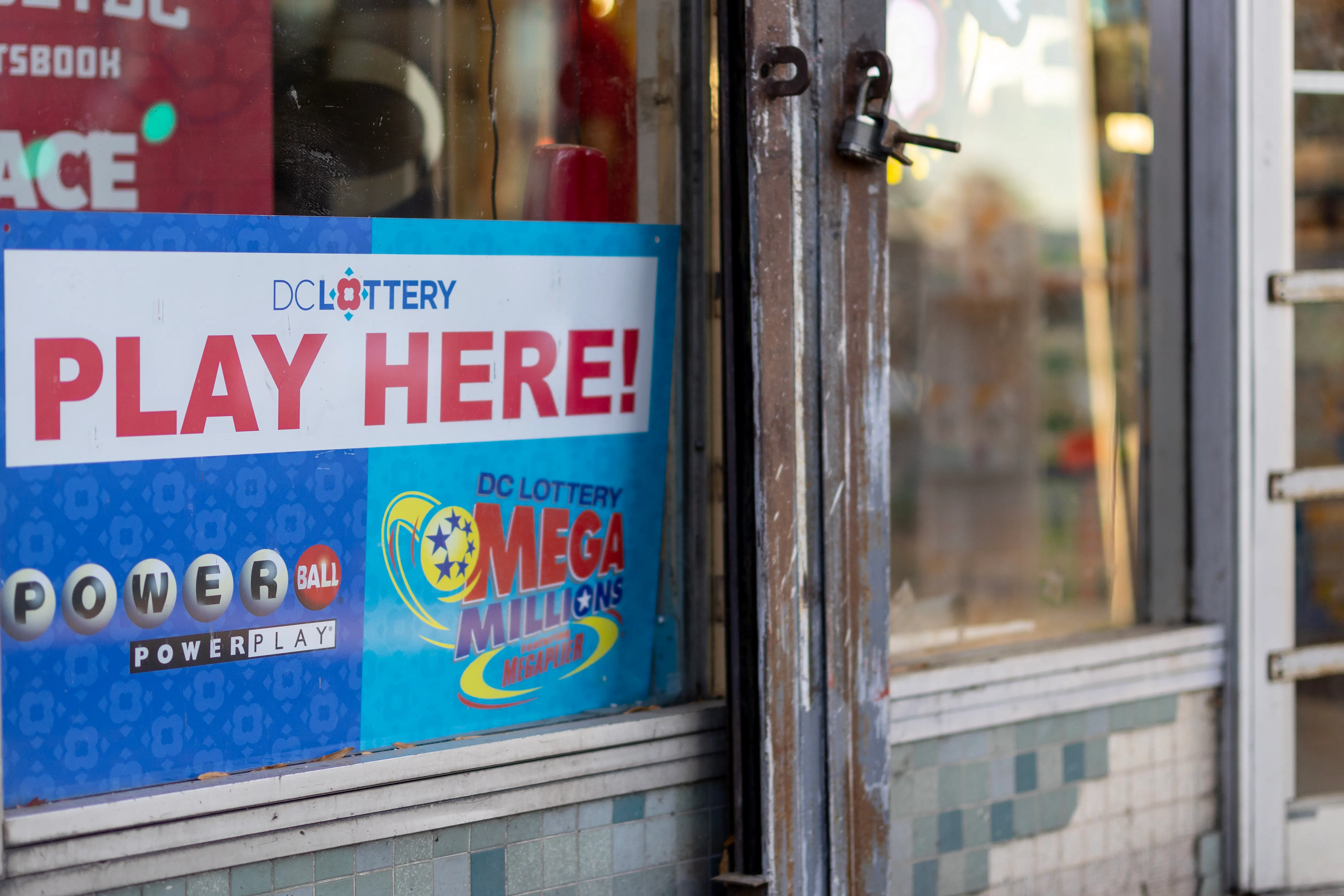 WASHINGTON, DC - NOVEMBER 07: Powerball tickets are for sale on November 07, 2022 in Washington, DC. The estimated Powerball jackpot for the November 7th drawing has increased to $1.9 billion, with an estimated lump sum payout of $929.1 million. (Photo by Tasos Katopodis/Getty Images)
The Powerball Jackpot prize has just reached an enormous amount of $1 billion, and people from most regions within the United States are very eager to have a chance at winning.
The prize amount also ballooned because there were no winners who matched all the winning numbers during Wednesday night's drawing. However, while 45 states allow people to buy a ticket, people in Alabama, Alaska, Hawaii, Nevada, and Utah still cannot play.
None of these places sell lottery tickets no matter how large the prize money. But why are these five states still staying out of the lottery while all other states participate?
How Lotteries Became Common in the US
Modern state lotteries started in 1964 when New Hampshire initiated the first one. Over the course of subsequent decades, more and more joined in because lotteries were an effortless way of raising more money without raising taxes. Money often goes toward public projects such as schools, parks, and scholarships. Politicians could say, instead of raising taxes, lottery helps in the funding of important programs and many people enjoy playing, hence this system grew quickly. Nowadays, most states are dependent on this extra-income, especially from frequent players.
Why Nevada Does Not Want the Lottery
Nevada is famous for its casinos, so people often assume it must also offer the lottery. But big casino companies strongly oppose the idea. They don’t want the lottery to become a new form of competition. Casinos already bring in massive amounts of tax money, so state leaders don’t feel pressured to add a lottery.
Simply put, Nevada protects its casino industry by avoiding a state lottery.
Why Alabama and Utah Ban the Lottery
Both Alabama and Utah have strong religious communities. Many church groups believe gambling is harmful and don’t support any kind of lottery. Because of this, attempts to create a state lottery often fail.
Still, people who want to play usually drive to nearby states to buy a ticket. This means neighboring states earn even more money from Alabama and Utah residents.
Why Alaska and Hawaii Stay Out
Alaska and Hawaii are far away from the mainland, so it’s harder for people there to travel and buy tickets elsewhere. Hawaii also wants to protect its family-friendly tourism image, and leaders fear gambling could hurt that reputation.
Alaska, meanwhile, earns plenty of money from oil, so the state sees no need for lottery income.
Even with a $1 billion jackpot, these five states continue to stand firm. For now, their residents will have to watch the excitement from the sidelines — unless they travel to a neighboring state for a ticket.
TOPICS: Powerball
- What are the winning numbers for Powerball? Full list from Dec. 10 drawing as the $930 million jackpot keeps growing
- Powerball soars to $1 billion after Wednesday’s drawing ends without a grand prize winner
- How to get free Powerball tickets as the jackpot hits $930 million — Simple steps to try your luck
- Two Kentucky players hit winning Powerball tickets in Monday night’s big drawing