
"Almost never properly recognized": James Cameron bashes the Oscars for snubbing Denis Villeneuve's Dune
-
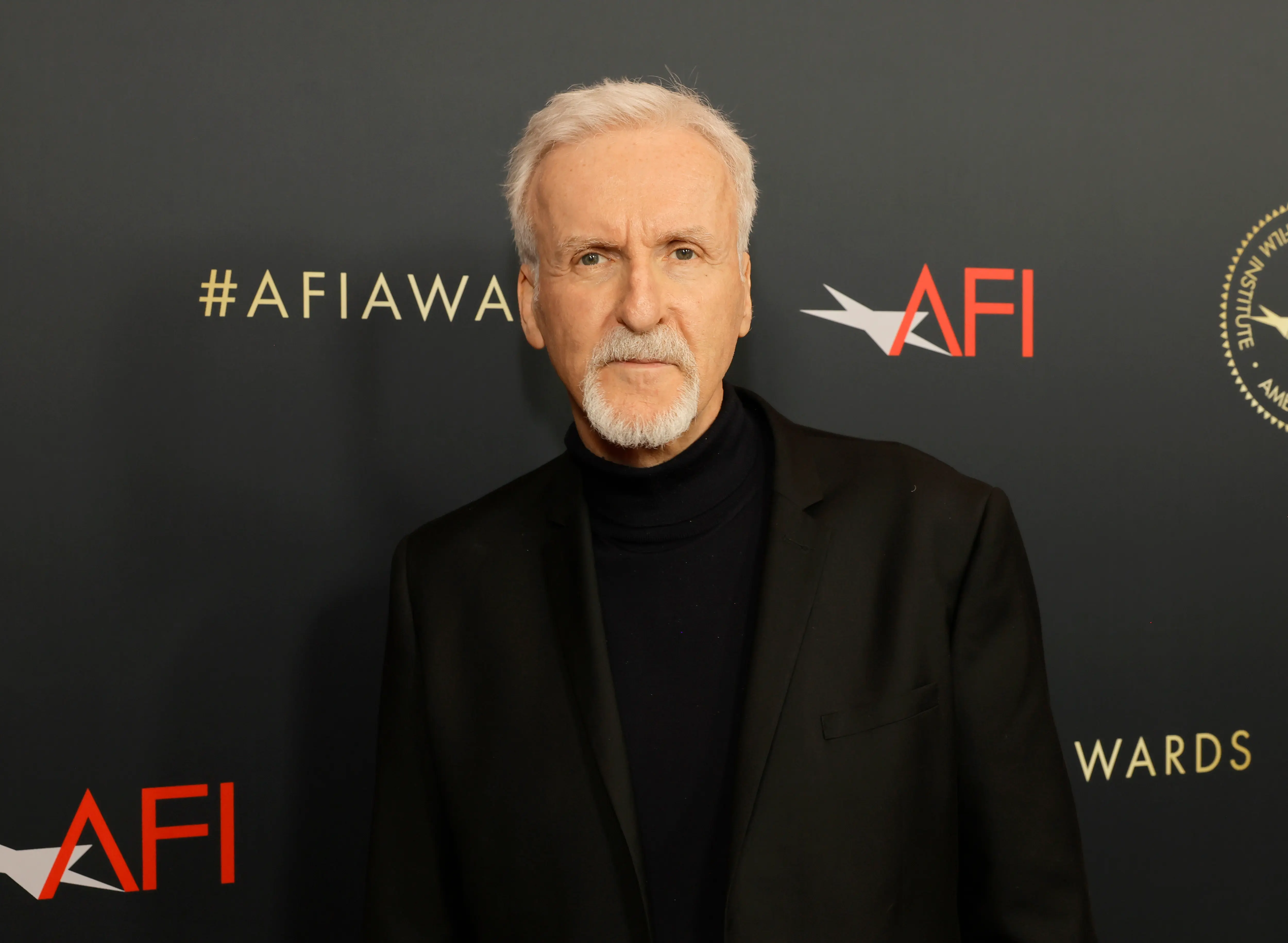 LOS ANGELES, CALIFORNIA - JANUARY 13: James Cameron attends the AFI Awards Luncheon at Four Seasons Hotel Los Angeles at Beverly Hills on January 13, 2023 in Los Angeles, California. (Photo by Kevin Winter/Getty Images)
James Cameron is no stranger to conversations about artistic recognition, especially when it comes to large-scale, effects-driven filmmaking. While promoting Avatar: Fire and Ash, the director reflected on the shifting state of Hollywood, the future of theatrical releases, and his complicated relationship with awards culture. In doing so, Cameron also addressed the Academy’s treatment of science-fiction films and the filmmakers behind them.
His comments arrived after Denis Villeneuve was once again left out of the Best Director race at the start of the year, despite widespread praise for Dune: Part Two and its strong showing across multiple Oscar categories.
As Cameron bluntly put it later in the discussion, science fiction is “almost never properly recognized.” Cameron’s perspective is especially notable given his own history with both critical acclaim and massive commercial success.
His comments question what the Oscars choose to value when it comes to ambitious, technically complex storytelling.
Cameron’s criticism highlights a familiar Oscar blind spot
In an interview with The Globe and Mail, James Cameron explained that awards recognition has never been a driving force behind his creative decisions. He told the outlet:
“I don’t think about the Academy Awards that much. Intentionally, I don’t think about that at this point. I don’t try to make a movie to appeal to their sensibility.”
Cameron then argued that films like Avatar and Dune are often overlooked despite their scale and craftsmanship:
“I don’t try to make a movie to appeal to that sensibility. They don’t tend to honour films like Avatar or films that are science fiction. Denis Villeneuve, another Canadian filmmaker, made these two magnificent Dune films, and apparently these films make themselves, because he wasn’t considered for Best Director. It’s like, okay, you can play the awards game or you can play the game that I like to play, which is to make movies that people actually go to,” he added.
To provide context on Cameron’s comments, at the 97th Academy Awards, Dune: Part Two earned multiple nominations and won two Oscars, confirming its technical and creative success.
However, Villeneuve himself was once again absent from the Best Director lineup. The award instead went to Sean Baker for Anora, which also won Best Picture.
Villeneuve previously missed Best Director nominations for Blade Runner 2049, Sicario, and Prisoners. His only nomination in the category came in 2016 for Arrival, where he ultimately lost to Damien Chazelle, who directed La La Land.
Even the first Dune film, which picked up ten nominations at the 94th Academy Awards and won six Oscars, failed to secure Villeneuve a directing nod.
The frustration has also been echoed by those involved with the film. Dune: Part Two actor Josh Brolin publicly questioned the decision, expressing his frustration on his Instagram stories,stating that the snub “makes no sense” to him.
Brolin later added that while the winners deserved their accolades, Villeneuve’s contribution was essential to the film’s success.
Cameron’s career context gives his criticism added authority
James Cameron’s comments resonate differently because of his own place in film history. Cameron rose to prominence with The Terminator before redefining blockbuster filmmaking through Aliens, Terminator 2: Judgment Day, Titanic, and the Avatar franchise.
His films have grossed more than $9 billion worldwide, making him one of the highest-grossing directors of all time.
Despite his stated indifference toward awards, Cameron is no stranger to Oscar success. Titanic earned 14 nominations and won 11 Academy Awards, including Best Picture, Best Director, and Best Film Editing for Cameron.
Reflecting on the industry’s current moment, he told The Globe and Mail that his focus remains on theatrical impact rather than accolades:
“What I try to do… is to create the most riveting and engaging experience in a movie theatre that I can conceivably, humanly do,” he said.
Cameron also spoke about the evolving role of technology, emphasizing that innovation must serve performance and story:
“It’s not just about improving the technology. It’s also about improving your command of narrative art… working with the actors, making it compelling in a way for the audience,” he explained.
That philosophy underpins both Avatar and his defense of Villeneuve’s work on Dune.
As he continues work on future Avatar sequels and other projects, Cameron remains vocal about ongoing issues within the industry.
He also believes it’s time to move on from the Avatar franchise, suggesting his interest in working on other projects. In an interview with The Hollywood Reporter, Cameron stated:
“I’ve got other stories to tell, and I’ve got other stories to tell within Avatar. What won’t happen is, I won’t go down the rabbit hole of exclusively making only Avatar for multiple years.“
James Cameron’s Avatar: Fire and Ash is now available in theaters worldwide.
TOPICS: Dune, James Cameron