
"Better than what they have": Charlie Sheen claims an experimental drug that works better for HIV but is kept hidden
-
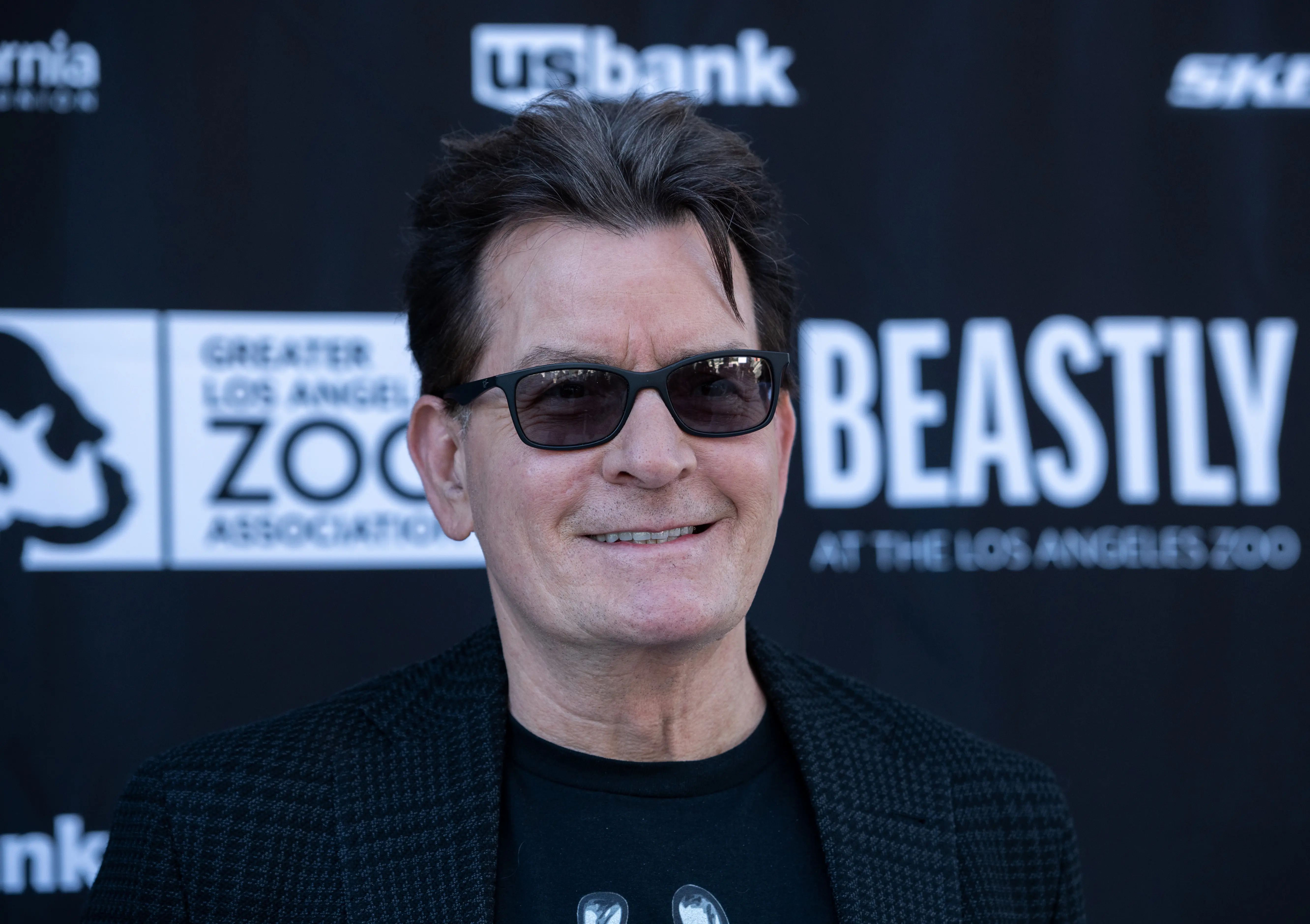 LOS ANGELES, CALIFORNIA - JUNE 03: Actor Charlie Sheen attends the Greater Los Angeles Zoo Association's Beastly Ball 2023 at the Los Angeles Zoo on June 03, 2023 in Los Angeles, California. (Photo by Amanda Edwards/Getty Images)
A recent podcast appearance once again showed that conversations with Charlie Sheen tend to veer into unexpected territory. While reflecting on his health and long-term sobriety, the actor referenced an experimental HIV treatment he once used, describing it as “better than what they have.”
The remark was not framed as a rejection of his current care, which he says remains effective, but as frustration over a drug he believed showed unusual promise before disappearing from development. The comment came during an open exchange about living with HIV, medical progress, and the limits of the pharmaceutical system.
Why Charlie Sheen thinks a promising HIV drug never reached the public
During the episode of Howie Mandel Does Stuff podcast released on December 9, Charlie Sheen spoke candidly about managing his HIV diagnosis, which he publicly disclosed in 2015. He noted that one experimental medication stood out compared to all the others he tried.
“There was one that was really good that I was hoping would come to market one day, and it never did.”
Sheen identified the treatment as PRO 140, a monoclonal antibody therapy that he said produced faster and more consistent results than standard options available at the time:
“That was a thing called PRO 140. It was an MAB [monoclonal antibody] that had much… just quicker and I think more stable results with no side effects than the traditional.”
When asked by Mandel why the drug never became publicly available, Sheen offered a blunt assessment based on his own experience:
“It’s a threat, I suppose… It works, better than what they have.”
Sheen suggested that the company behind the drug encountered serious trouble before it could reach the market, though he avoided making specific accusations. Mandel’s suggestion that the situation deserved further scrutiny was met with agreement, but Sheen also acknowledged that his understanding came from the patient side, not from inside the industry.
Charlie Sheen’s life and career explored
For Charlie Sheen, speaking openly about HIV has become part of a broader effort to take ownership of his life story. Since his diagnosis, he has emphasized that the virus is “completely manageable” and that honesty has helped him move forward after years of secrecy. In a People interview, Sheen connected his HIV diagnosis to his past addiction struggles and sexual behavior during that period of his life:
“That’s what started it. That’s where it was born or sparked. And in whatever chunks of time that I was off the pipe, trying to navigate that… and then just finally being like, ‘So what?’ So what? Some of it was weird. A lot of it was f---ing fun, and life goes on.”
Sheen has consistently maintained that he never passed HIV on to anyone, a point he has repeated in multiple interviews. His decision to go public in 2015, he claimed, was prompted by blackmail.
Long before his health became a defining public topic, Charlie Sheen was one of Hollywood’s most bankable stars. He earned critical praise in films like Platoon, Wall Street, and Major League, before becoming a television powerhouse on Two and a Half Men. At the height of the show’s success, he was the highest-paid actor on television, earning millions per episode. Now sober since 2017, Sheen has revisited his life through his memoir The Book of Sheen and the Netflix documentary, aka Charlie Sheen. Both projects reflect a more reflective tone, focused less on controversy and more on accountability, healing and acceptance.
Whether Charlie Sheen’s claims spark further discussion or remain a personal grievance, they underscore his ongoing effort to control his narrative rather than be defined by it.
TOPICS: Charlie Sheen
- "I thought somebody died": Charlie Sheen recalls moment brother Emilio Estevez told him Tom Cruise took his role in Born on the Fourth of July
- Charlie Sheen recalls Emilio Estevez's "You sitting" talk before losing the Oscar-nominated role to Tom Cruise
- Charlie Sheen calls conservative commentator Charlie Kirk assassination this generation’s JFK moment
- When was Charlie Sheen diagnosed with HIV? Actor was reportedly relieved after diagnosis