
How did Edmond Safra die? Details analyzed from Netflix’s Murder in Monaco
-
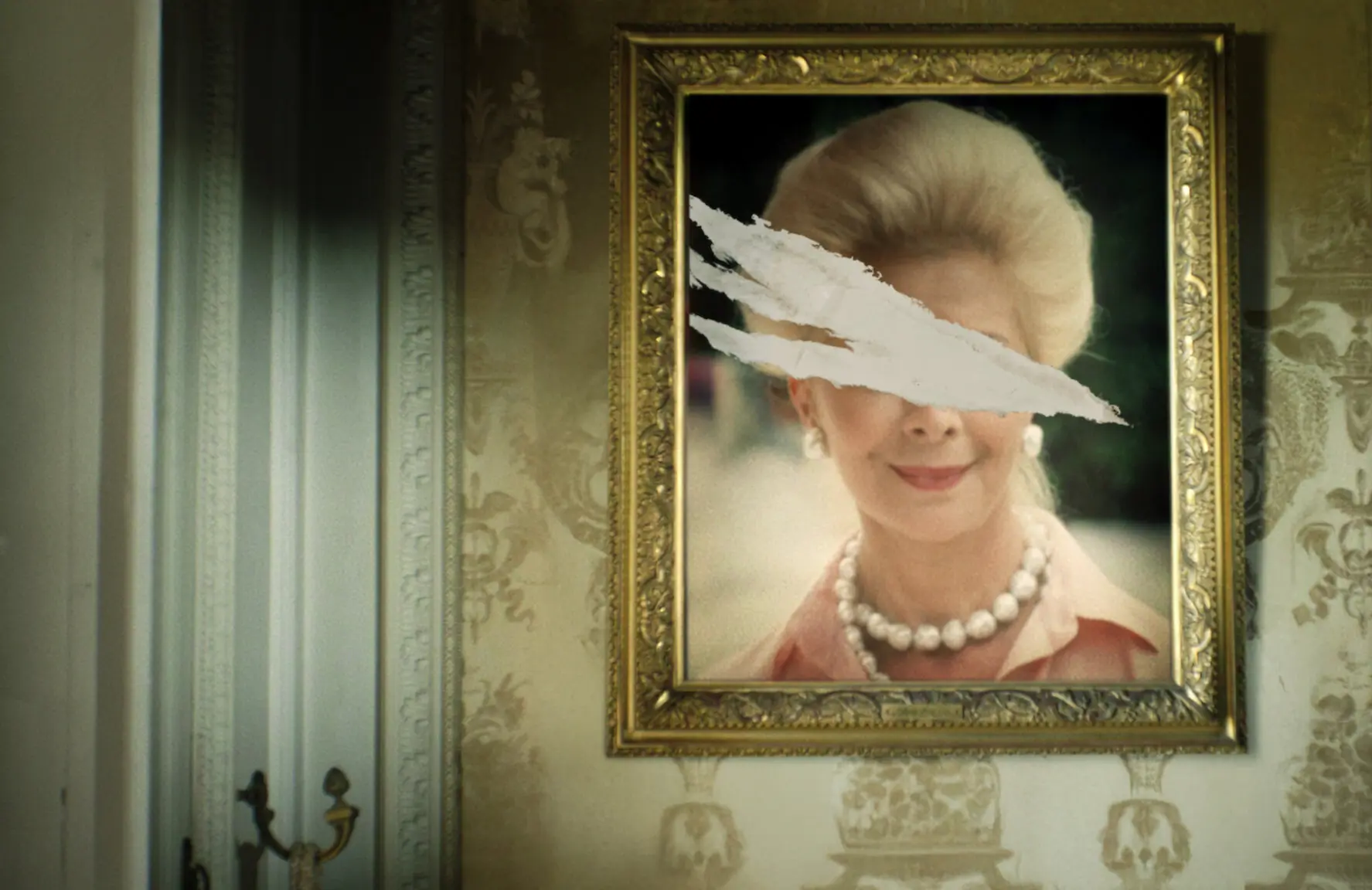 Murder in Monaco (Image via Netflix)
Edmond Safra died from smoke inhalation in a fire that broke out in his luxury penthouse in Monte Carlo, Monaco, on December 3, 1999. The blaze, which also claimed the life of his nurse, Vivian Torrente, was started by another nurse, Ted Maher, who intended to stage a heroic rescue to secure his job but lost control of the flames.
Safra, a Lebanese-Brazilian billionaire banker known for founding Republic National Bank, had built a fortune serving wealthy clients worldwide. Living with Parkinson’s disease, he relied on round-the-clock medical care in his highly secure home, equipped with panic rooms and surveillance to protect against perceived threats.
The case drew global attention due to its unusual circumstances: a small fire in a trash bin escalated into tragedy amid claims of intruders that proved unfounded. Monaco authorities convicted Maher of arson causing death, but questions about coercion and alternative theories lingered.
Netflix’s documentary Murder in Monaco, directed by Hodges Usry, revisits these events through interviews, court records, and archival footage, offering a detailed look at the intrigue. The film explores Edmond Safra’s world of high finance and security paranoia, the night’s chaos, and the aftermath. Viewers can stream Murder in Monaco, available on Netflix.
Murder in Monaco: Edmond Safra's background and secure lifestyle
Edmond Safra was born in Beirut, Lebanon, in 1932, to a family of Syrian Jewish bankers. As a young man, he emigrated to Brazil and began building a banking empire. He founded New York's Republic National Bank in 1966.
By the 1990s, Edmond Safra had amassed billions in assets for elite clients, including movie stars and royalty, through discreet private banking services. Success turned him into one of the world’s wealthiest billionaires, who at the time of his death had assets exceeding $2 billion.
In 1999, he sold his banks to HSBC for $1.3 billion but retained influence in global finance, as per Biography. Diagnosed with Parkinson’s disease years earlier, Edmond Safra needed constant medical support. He employed a team of nurses and lived in fortified residences, including a penthouse in Monaco’s Belle Époque building.
This 17,000-square-foot apartment featured bulletproof glass, hidden passages, and a panic room bathroom designed as a safe haven. Safra’s paranoia stemmed from past threats; he had reported Russian oligarchs for money laundering to the FBI, heightening his security measures.
His wife, Lily, an art collector, shared this opulent yet isolated life. On staff were nurses like Vivian Torrente, a dedicated caregiver, and Ted Maher, a former U.S. Green Beret hired just weeks before the incident. This setup, meant for protection, set the stage for the events that unfolded, according to Biography.
The night of the fire: Chaos in the penthouse
On the night of December 3, 1999, Ted Maher was found at the nursing station in the penthouse owned by Edmond Safra when the sun had not yet risen. This is where he had lit a small fire in a plastic trash can lined with medical alcohol and gauze to set off the smoke alarm to create a rescue scenario.
His plan involved making self-harming cuts on the abdomen and arms to create the illusion of an attack by an intruder. This was followed by an alert to Torrente and Safra about intruders in the building, with instructions to lock themselves into the panic room bathroom.
The fire spread quickly through the library, filling the apartment with smoke. Edmond Safra and Torrente, following Maher’s warning, locked themselves in the bathroom and made desperate calls for help, reporting both intruders and flames. Lily Safra escaped from a separate bedroom and reached safety downstairs.
Maher, bandaged and bleeding, appeared in the lobby around 5 a.m., prompting police arrival. Officers searched for intruders but delayed entering the penthouse, arresting Safra’s chief of security when he attempted to go upstairs, as per Biography.
Firefighters finally breached the apartment nearly three hours later, finding Edmond Safra and Torrente dead from smoke inhalation inside the barricaded room. Their bodies were charred, but autopsies confirmed no direct burn injuries.
The delay, combined with the locked door, sealed their fate. Murder in Monaco reconstructs this timeline using phone logs and witness accounts to show how a minor act spiraled into disaster.
The investigation: Uncovering the truth
Monaco police quickly dismissed Maher’s intruder claim after finding no signs of forced entry or external suspects. Forensic analysis revealed the fire started in the library trash bin, with accelerants matching medical supplies from the nursing station.
Maher’s wounds appeared self-inflicted, lacking defensive patterns typical of an assault. Under interrogation at Princess Grace Hospital, he confessed to the arson, explaining it as a plan to impress Edmond Safra and counter job insecurity from staff tensions.
Investigators noted the penthouse’s surveillance captured no intruders, and the alarm system had been partially disabled. Phone records from the panic room confirmed Safra’s pleas for help based on Maher’s false alert. The three-hour response delay came under scrutiny, as police focused on a potential plot involving security staff.
No evidence supported conspiracy theories, such as Russian mafia involvement linked to Safra’s past whistleblowing, according to Biography. Maher later recanted, alleging police coercion and a language barrier during questioning. The probe, involving international experts, solidified arson as the cause.
The trial, conviction, and ongoing echoes
Ted Maher’s 2002 trial in Monaco’s criminal court centered on his confession and forensic ties to the fire. Prosecutors argued his motive was professional gain, portraying the act as reckless endangerment in a high-security setting.
Defense claimed the confession was extracted under duress, citing Maher’s injuries and the investigation’s intensity. Witnesses, including surviving staff, described the penthouse’s layout and the rapid smoke buildup.
The jury convicted Maher of arson resulting in death, sentencing him to 10 years in prison. In 2003, he escaped custody briefly using smuggled tools but was recaptured in France.
Released in 2007 after serving most of his term, Maher returned to the U.S., changing his name to Jon Green.He has since faced further legal issues, including a 2025 conviction for plotting against his wife, as per Biography. The case prompted reviews of Monaco’s emergency protocols and private security practices. While officially closed, theories persist in the media, fueled by Edmond Safra’s high-profile connections.
Catch Murder in Monaco streaming on Netflix.
TOPICS: Murder in Monaco