
Can robots help astronauts survive in space? Inside Sydney’s National Space Industry Hub
-
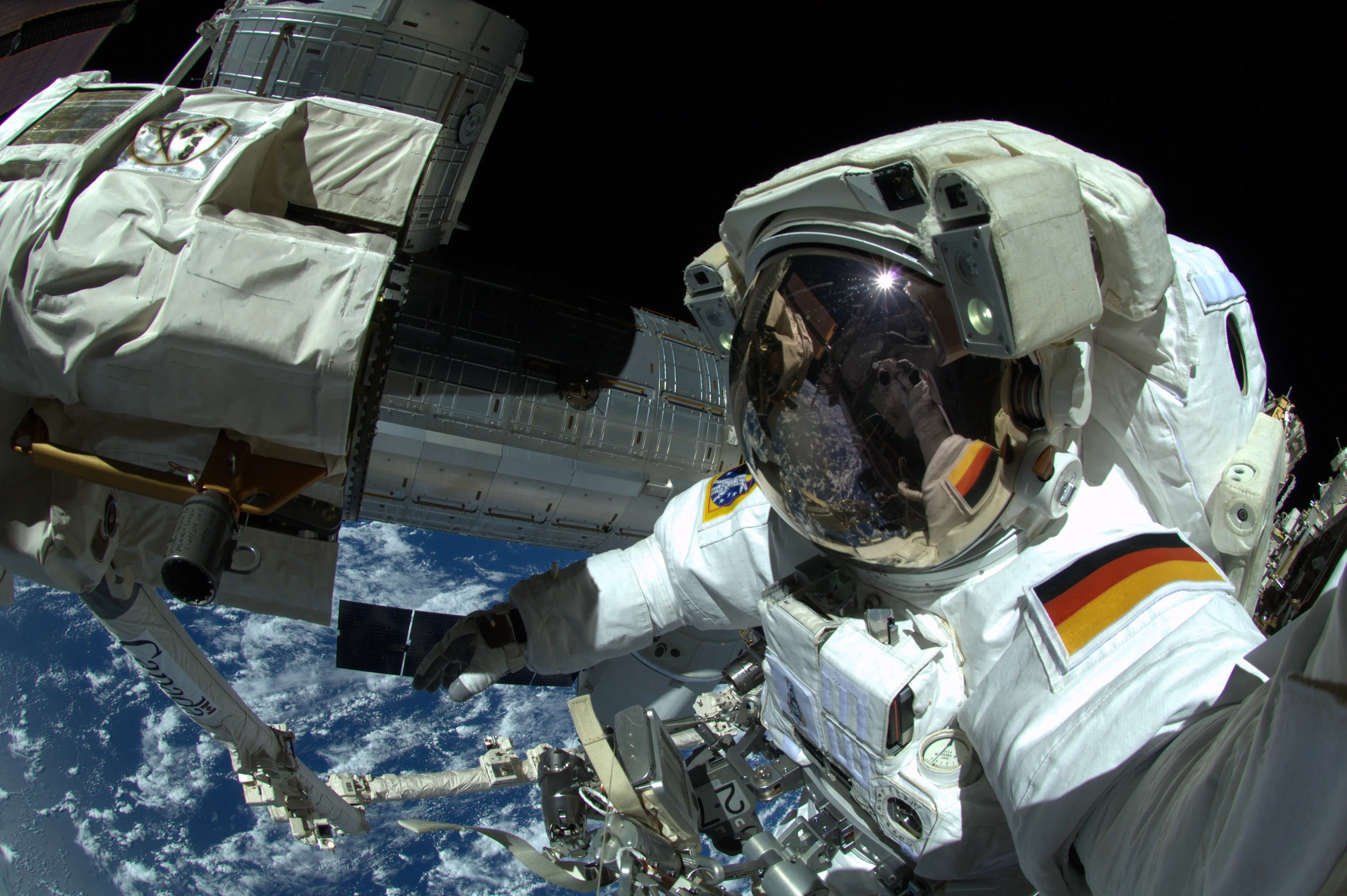 German ESA astronaut Alexander Gerst in Space (Image via Getty)
BBC Tech Now visited the National Space Industry Hub in Sydney, Australia, to look at how robots were being developed to support astronauts in space.
Reporter Nick Kwek travelled to the hub to meet startups working on robotic systems for future space missions.
These systems were designed to help astronauts carry out tasks, manage risks, and operate in environments where human work was limited.
The National Space Industry Hub brought together small companies, engineers, and researchers focused on space technology. Their work included robots for maintenance, testing, and monitoring.
Many of the systems were built to function in harsh conditions, such as low gravity, radiation, and long periods without human contact.
The main purpose was to see whether robots could work alongside astronauts or carry out tasks on their own.
The report focused on how space agencies and private companies were planning longer missions to the Moon and Mars. These plans raised concerns about safety and survival.
Robots were being explored as tools to prepare environments, reduce danger, and support crews once they arrived.
The visit showed how Australian startups were contributing to global space projects and how robotic systems were tested for future use.
Robots supporting astronauts during space missions
At the hub, several startups worked on robots that supported astronauts during space missions. These robots were built to take on routine tasks and jobs that involved risk.
This included checking equipment, carrying tools, and collecting data. One developer said, “Robots handled tasks that would otherwise expose astronauts to danger.”
Some teams focused on robots that operated inside spacecraft. These included small mobile units and robotic arms that helped with repairs and inspections.
Other teams worked on robots designed for use on the surface of the Moon or Mars.
These robots tested soil, monitored systems, and sent information back to Earth. An engineer explained, “They collected data without needing a human nearby.”
The report also showed how robots were designed for long missions where contact with Earth was delayed. In these cases, robots needed to respond to problems on their own. A researcher at the hub said, “They could not wait for instructions from Earth.”
The work demonstrated how robots were planned as support tools rather than replacements for astronauts.
Their role was to reduce workload and risk, while allowing crews to focus on research and decision-making during missions.
Preparing space environments before humans arrived
Another area of work at the hub focused on robots preparing space environments before astronauts arrived. Some startups developed robots that mapped land, checked conditions, and set up equipment on the Moon or Mars.
These machines were intended to operate for months or years before human missions. One project leader said, “Preparation happened long before people landed.”
Testing played a key role in development. Teams tested robots in controlled environments on Earth that copied space conditions.
These tests looked at how machines worked with limited power, low gravity, and extreme temperatures. A developer shared that testing helped them understand failures early.
The report also highlighted cooperation between startups, universities, and space agencies. Shared labs and test areas allowed teams to improve designs and solve problems together.
A representative from the hub said, “The goal was to support missions with systems that worked as planned.”
By the end of the visit, the report showed how robots were becoming part of space planning.
The work in Sydney showed how local teams contributed tools that could support astronauts and reduce risks during future space exploration.
________________________________________________
Stay tuned for more updates.TOPICS: Astronomy, The Astronauts, Robots, Space mission, Sydney National Space Industry Hub