
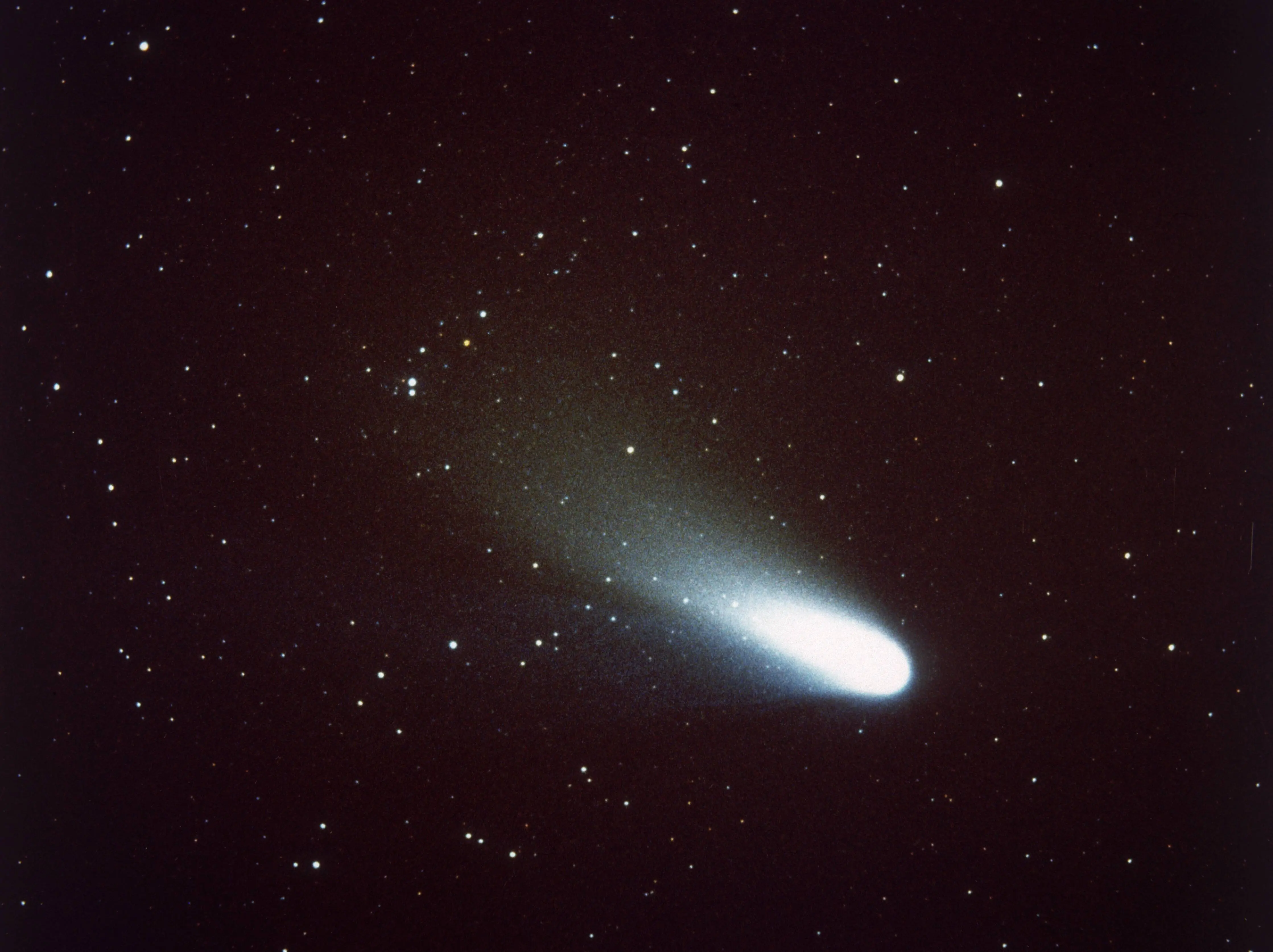
SciTechDaily shared details on the new observations of the interstellar comet 3I/ATLAS, based on research led by scientists at Auburn University. The object, discovered earlier in 2025, is only the third confirmed interstellar comet ever observed passing through the solar system.
Using NASA’s Neil Gehrels Swift Observatory, researchers detected hydroxyl gas around the comet, which is a byproduct of water vapor. This marks the first time water-related activity has been clearly measured in an interstellar comet using ultraviolet observations.
The discovery was made when the comet was located quite far from the Sun, at a point where the water ice in a comet is normally not active.
It would have been impossible to see the ultraviolet emission from the Earth because the atmosphere absorbs most of the ultraviolet light. The location of Swift in orbit enabled the group to detect very weak emissions, indicating that water was still being lost.
With these data, scientists can use the same reference standards to make a direct comparison between an interstellar comet and comets that were formed around the Sun.
The results were published in The Astrophysical Journal Letters and represent a first step towards characterizing the nature of cometary material in different planetary systems.
Water detection and measurement method
The water-related signal was detected through hydroxyl (OH) gas, which forms when water molecules break apart under the influence of sunlight. Swift’s Ultraviolet/Optical Telescope observed the comet during two periods in July and August 2025. By stacking many short exposures, the team measured a consistent ultraviolet glow surrounding the comet.
The estimated water loss rate was about 40 kilograms per second. This level of activity was observed when the comet was nearly three times farther from the Sun than Earth is. At such distances, most known comets show little activity. Researchers suggest that the signal may originate from small icy grains released from the nucleus, rather than from direct surface sublimation.
Dennis Bodewits, professor of physics at Auburn University, said,
“When we detect water, or even its faint ultraviolet echo, OH, from an interstellar comet, we’re reading a note from another planetary system.”
He also noted that Swift can detect ultraviolet light that is blocked from ground-based telescopes.
The ability to measure water allows scientists to apply the same chemical framework used to study solar system comets, making direct comparisons possible for the first time.
How does 3I/ATLAS compare with earlier interstellar objects?
Each known interstellar comet exhibits distinct chemical behavior. The first detected object, "Oumuamua," showed no clear signs of volatile gases.
The second, 2I/Borisov, was rich in carbon monoxide. In contrast, 3I/ATLAS shows measurable water-related activity at a large distance from the Sun.
Zexi Xing, postdoctoral researcher at Auburn University and lead author of the study, said,
“‘Oumuamua was dry, Borisov was rich in carbon monoxide, and now ATLAS is giving up water at a distance where we didn’t expect it.”
These differences suggest that the conditions for comet formation vary across planetary systems.
The structure responsible for the observed water release may reflect the presence of layered ice that has been preserved since the comet formed. Similar behavior has been seen in a small number of distant solar system comets. The observations also demonstrate the value of rapid-response space telescopes. Swift was able to observe the comet within weeks of discovery, before it became too faint.
3I/ATLAS has since faded from view but is expected to be observable again after mid-November. Continued observations may help track changes in activity as it moves closer to the Sun and further refine comparisons with other interstellar objects.
_______________________________________________________________
Stay tuned for more updates.